
Balance transfer cards let you move debt from one or more credit cards to a new one and pay off that debt at a lower interest rate. Many offer lengthy interest-free periods, so all your repayments go towards paying off your debt rather than interest, helping you to pay off your balance quicker and save interest at the same time.
Compare our best credit cards
Find the credit card that works for you
Whether you want to spread the cost of purchases, pay off debt, or earn rewards on your spending, we have you covered.

Compare credit cards with our partner Uswitch
We've partnered with Uswitch to help you find a great deal. Start your eligibility journey now

1
Answer a few basic questions about your circumstances
2
We'll show you the cards you’re likely to get, so you can apply with confidence
3
Your credit score will always be protected
What is a credit card?
Credit cards allow you to borrow money as and when you need it to pay for goods and services.
You get an agreed maximum credit limit you can borrow at once and there's a minimum monthly repayment, but you are free to borrow or repay anything you like within these limits.
Credit card transactions in October 2023[1]
377.7million
How credit cards work
Credit cards work by linking the physical card, or account number for online spending, with the borrowing facility - that means when you pay with a card, it's your provider that pays the cash to the merchant.
As you use your credit card, you'll build a balance of debt that you owe to the provider. Every month you're expected to repay the debt that you've accrued by using your credit card.
Here you have some options:
You could pay off the whole balance in full, taking your balance to zero. Doing this ensures that you won't be charged interest on balance you had built up.
You could choose to pay off a part of the balance, and roll over the remaining balance into the next month's billing cycle. Here you'll be charged interest on the remaining balance, which will be added to next month's balance.
You could pay just the minimum monthly payment, which is the minimum amount your provider expects you to repay every month. Sometimes that's a flat charge, but usually it's a percentage of your balance. Making this payment is vital, as missing it will hurt your credit score.
A credit card doesn't help you spend beyond your means. When used wisely, it's a tool to make purchases, earn rewards or build credit for better deals in the future."
How do lenders assess your eligibility for a credit card?
To be eligible for a credit card in the UK, you must be:
At least 18 years old
a legal UK resident
The first decision providers make is whether to offer a credit card at all. Then they figure out how much to let you borrow - your credit limit - and at what interest rate - the APR.
For this they consider three factors:
Your income.
You'll need to provide details about your salary and any other regular income you get from other sources.
Your credit score.
The lender will carry out a hard credit check to find out how responsible you've been in paying off credit in the past. This will leave a mark on your credit file and may possibly affect your credit score temporarily.
Existing debt.
Providers want to know how much debt you already have to see if you can afford to take on more debt and repay it.
How to choose the best credit card for you
If you need to pay off debt ...
If you already have existing credit card debt on one or more cards and want to pay it off at a lower interest rate, then you should consider a balance transfer credit card. These cards allow you to move your debt from your current card(s) to a new one and pay if off at a lower interest rate. Many of these cards also offer 0% interest for several months, though some may charge a small fee to transfer your balance.
If you need to make a large purchase ...
If you're planning to make a large purchase such as furniture for your home and can't afford to pay for it in one go, then you should consider a 0% purchase card, or a 0% money transfer card. These offer long interest free periods so you can split the cost into monthly instalments without paying any interest. Make sure to pay at least the minimum payment every month, and pay off the whole balance before the 0% interest period ends, otherwise you'll be charged interest on the remaining balance.
If you have bad credit ...
If you have never taken out credit before, or have a low credit score that you want to improve, then you could consider a credit building credit card. These cards are easier to get approved for and typically charge higher interest rates and have low credit limits. They are best used for everyday spending, with the balance being paid off in full every month. If you keep that up for six months or more, you should see your credit score get a boost.
If you want to earn rewards ...
If you want to earn rewards on your spending, there are different kinds of rewards credit cards available depending on what you want. Some cards offer air miles or points that can go towards lowering the cost of your air travel. Other cards offer points that you can collect to earn discounts at the stores you like to shop from. With cashback cards you'll earn cash that your provider may give you directly, either on a monthly or annual basis.
Be aware that rewards cards charge high interest rates and often come with annual fees. So they only make financial sense if you typically pay off your full balance every month, and you earn more in rewards than you pay for the annual fee of the card.
Our best balance transfer credit card deals
Our editors have picked out some of the best balance transfer cards we have on offer
Editor’s pick
Our chosen dual credit card
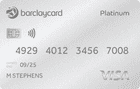
Barclaycard Platinum Balance Transfer (20/21)
Balance transfer term
0% for 20 months with a 3.45% fee
Balance transfer fee
3.45%
Rep APR
24.9% APR
Representative example: The standard interest rate on purchases is 24.9% p.a. (variable), so if you borrow £1,200 the Representative APR will be 24.9% (variable).
Show Details
Eligibility
Minimum Age
18 years
Minimum Income
£3,000
“With this card, Barclays offers a competitive up to 21 months interest-free on purchases. Plus, you also get up to 20 months of 0% interest on balance transfers, for a 3.45% transfer fee.”
Editor’s pick
Our longest balance transfer credit card
Barclaycard Platinum Balance Transfer (28 Mths)
Balance transfer term
0% for 28 months with a 3.45% fee
Balance transfer fee
3.45%
Rep APR
24.9% APR
Representative example: The standard interest rate on purchases is 24.9% p.a. (variable), so if you borrow £1,200 the Representative APR will be 24.9% (variable).
Show Details
Eligibility
Minimum Age
21 years
Minimum Income
£3,000
“With this deal, Barclays offers 28 months of 0% interest on balance transfers, so you have ample time to pay off your debt. But you will be charged a fee of just under 3.45% to make the transfer.”
We are classed as a credit broker for consumer credit, not a lender.
Our best purchase credit card deals
Our editors have picked out some of our best 0% purchase card deals.
Editor’s pick
Our chosen dual credit card
With this card, Barclays offers a competitive up to 21 months interest-free on purchases. Plus, you also get up to 20 months of 0% interest on balance transfers, for a 3.45% transfer fee.”
Barclaycard Platinum Balance Transfer (20/21)
Purchases term
0% for 21 months
Rep APR
24.9% APR
Representative example: The standard interest rate on purchases is 24.9% p.a. (variable), so if you borrow £1,200 the Representative APR will be 24.9% (variable).
Show Details
Eligibility
Minimum Age
18 years
Minimum Income
£3,000
We are classed as a credit broker for consumer credit, not a lender.
Our best air miles credit card deals
Our editors have picked out some of our best air miles credit card deals.
Editor’s pick
Our chosen Avios credit card

Barclaycard Avios Card
Rewards
Avios
Rep APR
29.9% APR
Representative example: The standard interest rate on purchases is 28.9% p.a. (variable), so if you borrow £1,200 the Representative APR will be 28.9% (variable).
Show Details
Eligibility
Minimum Age
21 years
Minimum Income
£20,000
“No fee and you get 5,000 Avios if you spend £1,000 in the first three months and an upgrade voucher if you spend £20,000 in the first 12 months.”
Editor’s pick
Our chosen all-round air miles card

Amex® Rewards Credit Card
Rewards
Membership Rewards
Rep APR
31% APR
Representative example: The standard interest rate on purchases is 31% p.a. (variable), so if you borrow £1,200 the Representative APR will be 31% (variable).
Show Details
Eligibility
Minimum Age
18 years
“With the American Express rewards card you get included travel perks like Global Assist, as well as points you can use for flights, shopping vouchers and more.”
Editor’s pick
Our most rewarding air miles card

Barclaycard Avios Plus Card
Rewards
Avios
APR
80.1% APR
Representative example: The standard interest rate on purchases is 28.9% p.a. (variable), so if you borrow £1,200 the Representative APR will be 78.9% (variable).£20 monthly fee.
Show Details
Eligibility
Minimum Age
21 years
Minimum Income
£20,000
“You get 50% more Avios per pound spent with this deal, but it comes with a £20 monthly fee - so this is best for big spenders.”
We are classed as a credit broker for consumer credit, not a lender.
Our best supermarket credit card for rewards
Editor’s pick
Our chosen 0% purchases credit card
The Nectar Credit Card offers a useful fusion of rewards and convenience. With generous Nectar points earning potential from spending on everyday purchases. You also get exclusive benefits like purchase protection and global assistance. However, it does come with an annual fee of £30, which might be worth it if the rewards you earn outweigh the fee you're paying. ”

Nectar Credit Card
Rewards
Nectar Points
APR
37.8% APR
Representative example: The standard interest rate on purchases is 31% p.a. (variable), so if you borrow £1,200 the Representative APR will be 37.8% (variable).£30 annual fee.
We are classed as a credit broker for consumer credit, not a lender.
Types of credit cards
![Balance transfer]()
Balance transfer

Balance transfer cards let you move debt from one or more credit cards to a new one and pay off that debt at a lower interest rate. Many offer lengthy interest-free periods, so all your repayments go towards paying off your debt rather than interest, helping you to pay off your balance quicker and save interest at the same time.
![0% purchase cards]()
0% purchase cards

0% purchase cards offer lengthy introductory interest-free periods, so you can make large purchases with your credit card and spread the cost over several months. As long as you pay off the full balance before the end of the interest-free period, you won't pay any interest.
![Money transfer cards]()
Money transfer cards

Money transfer cards allow you to move money from your new card directly to your bank account. You can then pay for goods and services using your debit card or withdraw cash from an ATM. These also often have long interest-free introductory periods, so you can spread the cost of your spending over several months without paying interest.
![Credit building cards]()
Credit building cards

Credit building cards are aimed at individuals with no previous history of borrowing or those with poor credit histories. These cards are easier to get and usually come with high interest rates and low credit limits.
![Travel credit cards]()
Travel credit cards

Travel credit cards are explicitly aimed at regular travellers. Unlike many standard credit cards, travel cards don't charge foreign transaction fees, so you can use them even when travelling abroad. If you often find yourself in Europe or further afield, a travel credit card could save you a lot of money.
![Rewards cards]()
Rewards cards

Rewards credit cards give you something back when you spend on them. Rewards can vary from card to card, but some of the most common rewards include air miles, vouchers or in-store points to use at your favourite retailers and supermarkets. Some also provide cashback every time you spend on the card. Bear in mind these cards can have annual fees and high APRs, so make sure you clear your balance each month.
Types of credit cards

Balance transfer

0% purchase cards
0% purchase cards offer lengthy introductory interest-free periods, so you can make large purchases with your credit card and spread the cost over several months. As long as you pay off the full balance before the end of the interest-free period, you won't pay any interest.

Money transfer cards
Money transfer cards allow you to move money from your new card directly to your bank account. You can then pay for goods and services using your debit card or withdraw cash from an ATM. These also often have long interest-free introductory periods, so you can spread the cost of your spending over several months without paying interest.

Credit building cards
Credit building cards are aimed at individuals with no previous history of borrowing or those with poor credit histories. These cards are easier to get and usually come with high interest rates and low credit limits.

Travel credit cards
Travel credit cards are explicitly aimed at regular travellers. Unlike many standard credit cards, travel cards don't charge foreign transaction fees, so you can use them even when travelling abroad. If you often find yourself in Europe or further afield, a travel credit card could save you a lot of money.

Rewards cards
Rewards credit cards give you something back when you spend on them. Rewards can vary from card to card, but some of the most common rewards include air miles, vouchers or in-store points to use at your favourite retailers and supermarkets. Some also provide cashback every time you spend on the card. Bear in mind these cards can have annual fees and high APRs, so make sure you clear your balance each month.

How to compare credit cards
With so many different types of credit cards to choose from, it can feel overwhelming when making a choice. But don't worry, carefully considering the following key factors will make it easier for you to pick the right one.
Decide the type of card you need
The reason you're looking for a credit card will help you decide which type of card you should compare. Different types of cards are designed for specific purposes, whether you want to pay off debt, make a large purchase, build your credit score, or earn rewards. Be sure about why you want a credit card before you do comparison.
Compare interest rates
The interest rate or APR, determines how much it'll cost you to borrow with your credit card. if you're more likely to carry a balance, you’ll want the card with the lowest APR you can get – even generous rewards won't make up for the interest accrued with a high APR.
Compare additional fees
Most credit cards also charge common fees such as annual fees, balance transfer fees, cash advance fees, foreign transaction fees, and others. Whether these fees will affect you depends on how you use your credit card. For example, if you don’t plan to do a balance transfer, you could consider a card that charges extra for that. Or, if you plan to do a lot of international traveling, a no foreign transaction fee credit card might be a better choice.
Compare extra benefits
Many credit cards may offer additional benefits like rental car insurance, airport lounge access, and roadside assistance, to name a few. But it’s not uncommon for extra benefits to come with a higher annual fee. When comparing a credit card’s extra benefits, consider your needs. Free airport lounge access sounds great, but it might not be worth it if you're only traveling once or twice a year.
Golden rules for using your credit card
Never miss a monthly payment
Missing a payment could mean you lose any benefits the cards have - such as an interest-free period. You'll get a black mark on your credit report that lasts for years and also be stung with a late payment fee.
Have a plan to clear your balance
If you have a 0% credit card, paying the minimum each month sounds convenient. But, the problem arises when that 0% period runs out. At that point, you'll be charged the full APR on any remaining balance you have on the card. So make sure you know exactly when that is, and either have the funds lined up to clear it in full or a new 0% card waiting.
If you're in it for rewards, pay in full
Cash back, air miles, supermarket loyalty points, access to events and airport lounges - there are plenty of perks available if you spend money with the right card. But, if you're in it for the rewards, always clear your balance in full. Because interest charged on money you've let carry over from one month to the next can quickly wipe out the value of the perk
Used responsibly, bigger credit limits are better
Banks judge you, in part, based on how much of your credit limit you use. Oddly, that means someone who's used £3,000 of a £4,000 limit has a worse score than someone who's used £3,000 of a £10,000 limit. Also, the best scores are reserved for people whose banks trust them with big limits. Just be careful not to use the full amount unless you can afford to repay it.
Withdrawing cash will cost you
Not all credit card transactions are equal - in fact a whole string of them cost you more. These are known as cash advances, or cash like transactions, and will see you charged interest from the second you make the purchase, quite possibly at a higher APR than normal, and maybe a fee on top.
Don't apply for cards too often
If you are rejected after applying for a credit card, don't try to get another one straight away. Making several applications over a short period can make it seem that you're desperate for credit, which is a red flag for lenders. Wait at least six months before applying again.
Check twice, apply once.
Once you've found a card you want, it makes sense to check you'll be accepted. Tools like CardFinder won't hurt your credit score and can let you see how likely you are to be accepted before you apply.
Golden rules for using your credit card
Never miss a monthly payment
Missing a payment could mean you lose any benefits the cards have - such as an interest-free period. You'll get a black mark on your credit report that lasts for years and also be stung with a late payment fee.
Have a plan to clear your balance
If you have a 0% credit card, paying the minimum each month sounds convenient. But, the problem arises when that 0% period runs out. At that point, you'll be charged the full APR on any remaining balance you have on the card. So make sure you know exactly when that is, and either have the funds lined up to clear it in full or a new 0% card waiting.
If you're in it for rewards, pay in full
Cash back, air miles, supermarket loyalty points, access to events and airport lounges - there are plenty of perks available if you spend money with the right card. But, if you're in it for the rewards, always clear your balance in full. Because interest charged on money you've let carry over from one month to the next can quickly wipe out the value of the perk
Used responsibly, bigger credit limits are better
Banks judge you, in part, based on how much of your credit limit you use. Oddly, that means someone who's used £3,000 of a £4,000 limit has a worse score than someone who's used £3,000 of a £10,000 limit. Also, the best scores are reserved for people whose banks trust them with big limits. Just be careful not to use the full amount unless you can afford to repay it.
Withdrawing cash will cost you
Not all credit card transactions are equal - in fact a whole string of them cost you more. These are known as cash advances, or cash like transactions, and will see you charged interest from the second you make the purchase, quite possibly at a higher APR than normal, and maybe a fee on top.
Don't apply for cards too often
If you are rejected after applying for a credit card, don't try to get another one straight away. Making several applications over a short period can make it seem that you're desperate for credit, which is a red flag for lenders. Wait at least six months before applying again.
Check twice, apply once.
Once you've found a card you want, it makes sense to check you'll be accepted. Tools like CardFinder won't hurt your credit score and can let you see how likely you are to be accepted before you apply.
Biggest payment card brands in the UK in 2021
Visa's market share in the UK decreased six percentage points between 2020 and 2021, although it remained the country's biggest payment card brand.
Source - Statista.com
How CardFinder works
CardFinder is an eligibility tool that matches you with the credit cards you're likely to get based on your needs and circumstances. It uses a 'soft search' credit check so your credit score will not be affected.
Using CardFinder is beneficial for most people because it ensures that you only apply for the cards you can get, and avoid hurting your credit score from rejected applications.
CardFinder is a quick and low risk way to ensure you only apply for a card you're likely to be accepted for."
Compare credit cards with our partner Uswitch
We've partnered with Uswitch to help you find a great deal. Start your eligibility journey now
1
Answer a few basic questions about your circumstances
2
We'll show you the cards you’re likely to get, so you can apply with confidence
3
Your credit score will always be protected
Jargon buster
Annual fee
Some credit cards come with an annual fee, which you pay to use the card. This is separate from interest charges on balances. The fee is charged once a year and typically appears as a one-time fee on your credit card statement.
APR
APR stands for “Annual Percentage Rate” and is the total cost of borrowing over 12 months. For example, if your APR is 20%, you will be charged 20p for every £1 borrowed over the course of 12 months. If you pay your balance in full and on time, you will not pay interest.
Balance
Your credit card balance is the amount of money you owe your credit card provider. In other words, it's the amount you borrowed using your credit card to buy goods and services. It's also sometimes referred to as your credit card debt.
Cash withdrawal
Withdrawing money from an ATM on a credit card is known as a cash advance, and it nearly always attracts a cash withdrawal fee, usually of around 3%. In addition, interest is charged on cash withdrawals from the day you take the money out, sacrificing your standard interest-free period.
Several other transactions - including buying stocks and shares, foreign currency and lottery tickets - are frequently treated as “cash-like” transactions by card providers and have the same rules and fees applied to them.
Credit limit
Your credit limit is the amount you can borrow on your credit card at any one time. If you exceed this amount, you can be charged a fee - typically £12 - and it can leave a mark on your credit report.
You won’t usually find out your credit limit until the end of an application process - although you can ask your provider to increase – or decrease – your credit limit at any time.
Credit limits are set based on your credit history and your earnings.
Once you've reached your credit limit, you need to make a payment to bring down your balance before you can use the card again. Find out more in our guide to credit limits.
Credit report
Your credit report is your history of borrowing and paying bills over the past few years. Lenders send this information to one or more of the three credit reference agencies, which compile reports on UK residents.
Before deciding whether to let someone borrow, lenders check your report from one or more of the agencies. You can request a copy of your credit reports to ensure there are no mistakes on your file, request changes if you spot one and add notes explaining any missed payments.
Credit score
Your credit score is calculated based on your credit history. Each credit reference agency has its own method of calculating this.
Your credit score will go up for things like making payments on time and down for things like being late or defaulting on a loan. Typically, the higher your score, the more likely you are to be offered a lower rate of interest or higher credit limit.
There is no absolute pass or fail mark attached to a credit score, with each lender making its own decision on what it considers acceptable.
Default
If you miss a few payments, generally between three and six, your credit card provider will send you a default notice, giving you at least 14 days to pay the amount stated on the notice.
Court action could be used to recover the debt, and if you fail to make the payment, your account will be “defaulted”, meaning you won’t be able to use your credit card anymore. It is possible that your provider may have already blocked spending on your account after the first couple of missed payments. A record of the default will also stay on your credit report for six years, making it harder to get any form of credit throughout this time.
Direct Debit
A Direct Debit is when you give a company permission to take payments automatically from your bank account. It decides the amount, but you are free to cancel the arrangement. For example, you can set up a Direct Debit to pay off your credit card. This could be for the minimum amount due, a fixed sum, or the entire balance.
Eligibility criteria
Minimum eligibility criteria define the attributes the provider expects customers to have before offering them a product. They’re designed to help customers understand if they should proceed with an application.
Meeting the minimum eligibility criteria is not a guarantee of approval. Eligibility criteria include factors such as age, salary and sometimes other details, depending on the product.
Foreign transaction fees
If you buy something abroad or from an overseas website, you are likely to be hit with a foreign transaction fee, which is often around 3% of the total payment.
Some credit cards charge no foreign transaction fees and are designed for use abroad. However, cash withdrawals tend to incur an additional cost, whether at home or abroad. The exchange will be based on Mastercard or Visa currency rates (depending on who issues your credit card).
Interest-free credit
Interest-free credit cards allow you to either transfer a balance, make purchases or transfer cash to a current account without paying any interest on your balance for a set period. However, you must keep making at least the minimum monthly repayment during this time.
Once the 0% deal is over, you will be charged interest on any remaining debt at your standard APR. With balance transfers and money transfers, you will usually have to pay a transfer fee.
Minimum monthly repayment
Every credit card has a minimum monthly repayment amount set out in its rules, which you can find in the summary box.
The minimum payment is calculated by working out what interest you've built up over the past month and then adding a small percentage of your total balance. If you have a small overall balance, there might be a fixed sum instead - for example, £5.
As minimum monthly repayments are set at such low levels, it’s best to pay off more than this each month if you can. You’ll clear your debt faster and pay less interest too.
Transfer fee
If you take out a balance transfer or money transfer credit card, you will usually be charged a transfer fee to transfer funds. This is usually 1-3% of the total amount you move over for a balance transfer and about 3-5% for a money transfer.
Watch our video on how credit cards work
FAQs
What is APR?
The annual percentage rate (APR) is the interest rate at which you will borrow money on your credit card. It's typically stated as a yearly interest rate and includes any fees and costs associated with the card. In most cases, you can avoid paying interest by clearing your credit card balance each month.
Can I get a joint credit card?
Unlike joint current accounts, there is no such thing as joint account for credit cards. What you can do is add an additional card holder to your card, such a partner, child or parent. This means that the additional card holder will have their on own seperate card, but you will be responsible for any debt accumulated on that card.
Can I withdraw an application for a credit card?
Yes. Most cards have a 14-day cooling off period that starts from the day you receive the card. If you change your mind about the card during that time, you can return it to the provider. While there is no penalty fee, you do have to pay off any balance you may have accrued on the card within 30 days.
What happens if my credit card application is rejected?
If your credit card application is rejected, avoid applying right away with a different provider. The best thing to do is to wait at least six months before you apply again.
But if you urgently need access to credit, you could opt for a credit card for bad credit, which will have more lenient eligibility requirements.
What happens if you miss a repayment?
If you miss a repayment on your credit card, you're mostly likely going to be charged a penalty and lose any introductory benefits, such as an interest free offer. It will also go on your credit report as a negative mark and hurt your credit score.
How do I check my credit score?
You can check your credit score by using a credit reference agency. These are companies that collect information about your credit behaviour to determine your credit score. Experian, Equifax and Transunion are the three main credit agencies in the UK. Read more about in our guide on how to check your credit rating
About the author

Didn’t find what you were looking for?
Below you can find a list of our most popular credit cards:
Customer Reviews

by 1,060 people
Very helpful

I am thinking about moving to the UK - money.co.uk was very helpful when it comes to do research on potential bank accounts and savings information
Cansu Dilege
I love using money.co.uk for financial…
I love using money.co.uk for financial information, it is so practical and always ends up solving my problems!! I usually pick my credit cards based on what I find out here.
Defne
super helpful for newcomers!
Amazing place to figure out what financial products are right for me. I was able to find the right info super fast. As a new resident of the UK, I was overwhelmed with info and terms from banks but Money made everything super simple
Ryan S.
We’ve been featured in



References
1. UK Finance Card Spending Update for October 2023